
2026-08-31 ·
Why Does My AC Keep Turning On and Off in California?
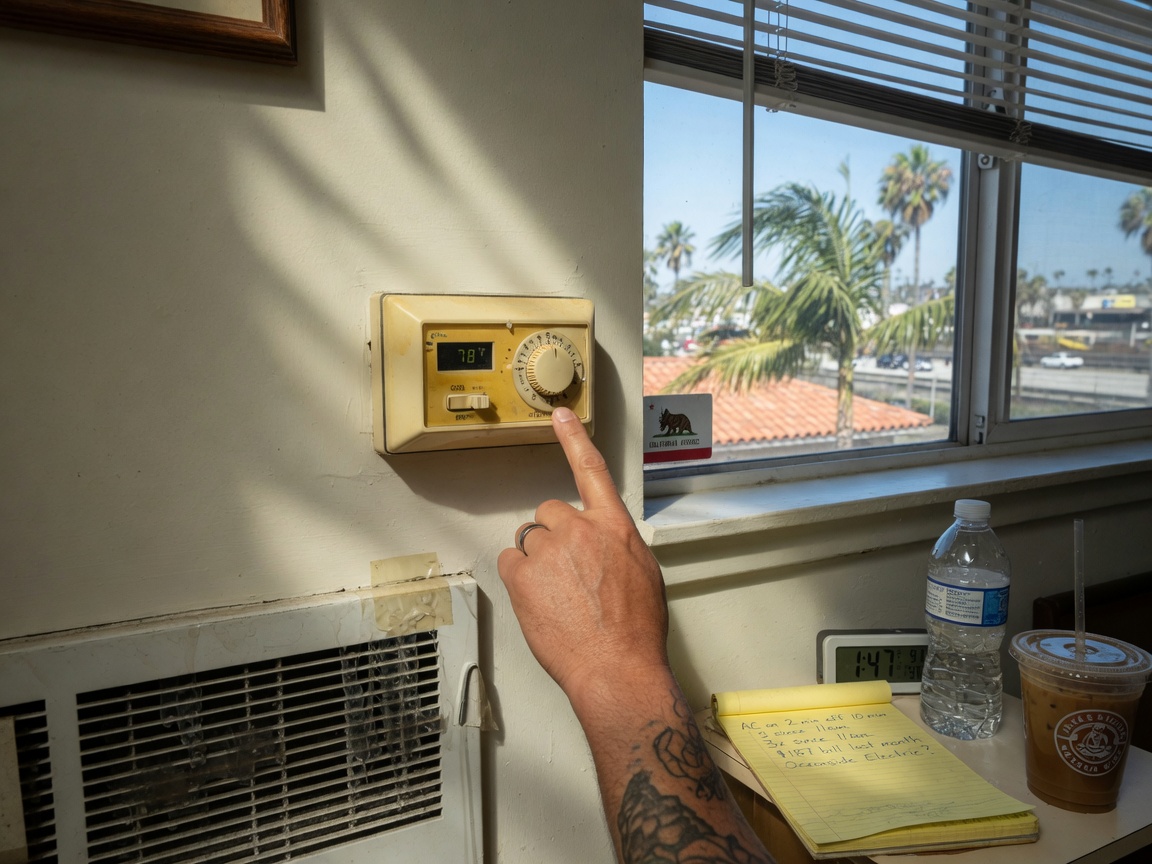
Short cycling in Oceanside happens most often when a thermostat loses calibration or refrigerant drops below proper levels, causing the compressor to shut down after only a few minutes of runtime. This pattern shows up frequently in homes near the Oceanside Pier and in Downtown Oceanside where salt air accelerates corrosion on coils and sensors. The mild Mediterranean climate keeps overall runtime lower than inland spots, yet the constant humidity and fog still force units to work in short bursts that wear out components faster.
Thermostat Placement and Calibration Issues
Thermostats mounted on interior walls in South Oceanside and East Oceanside homes often sit too close to windows or return vents. When the sensor reads a false temperature spike from afternoon sun or cool marine layer air, it cuts power to the compressor before the house reaches the set point. Older single-story homes built before 1980 around Mission San Luis Rey commonly have mercury or mechanical thermostats that drift over time. Replacing the thermostat with a digital model that averages multiple readings usually stops the rapid on-off cycle within one service visit. Technicians also check wiring at the air handler because loose connections near the Oceanside Harbor create intermittent signals that mimic a satisfied thermostat.
Low Refrigerant from Coastal Corrosion
Salt-laden air blowing in from the Pacific accelerates pinhole leaks in evaporator coils, especially on units installed within two miles of the water. When refrigerant falls 15-20 percent below factory charge, the low-pressure switch trips the compressor after three to five minutes. This exact pattern appears in many Camp Pendleton-adjacent neighborhoods where units run daily to combat humidity. A leak search using nitrogen and soap solution followed by proper repair and recharge restores normal 8-12 minute cycles. Homeowners who notice ice forming on the suction line or hear the unit click off quickly should schedule AC Repair Services rather than repeatedly resetting the system.
Dirty Filters and Restricted Airflow
Cool foggy summers in San Diego County push homeowners to run their systems longer than they expect, yet many still change filters only twice a year. When a 1-inch fiberglass filter loads with dust and salt residue, static pressure rises and the evaporator coil drops below 40 degrees. The safety switch then shuts the compressor down to prevent freeze damage. In Vista and San Marcos homes with pets or nearby construction dust, monthly filter changes during peak use months prevent most short cycling. Technicians also inspect the condensate drain because standing water in the pan can trigger float switches that interrupt operation in the same way.
Oversized Equipment and Electrical Problems
Many 1990s homes in Oceanside received replacement units sized for peak inland heat rather than the actual coastal load. An oversized system cools the space too quickly, satisfies the thermostat, and shuts off before dehumidification occurs. The house then warms slightly, the unit restarts, and the cycle repeats every few minutes. Loose or corroded contactors at the outdoor disconnect add another layer of intermittent operation. Checking run and start capacitors plus measuring amp draw on the compressor reveals whether electrical issues or improper sizing drive the short cycling. Readers who want deeper diagnostics on related components can review AC Blower Motor Problems: Signs Your California Home Needs Repair or AC Refrigerant Leak in California: Warning Signs and Repair Options.
Next Steps for Oceanside Homeowners
Track the exact on and off times for two days and note any ice, unusual noises, or temperature swings. These details help a technician isolate whether the cause sits in the thermostat, refrigerant circuit, or airflow path. AC Fix operates Mon–Sat 7am–10pm and Sun 8am–9pm to handle these calls across Oceanside, Carlsbad, and San Marcos without long wait times. Accurate diagnosis prevents replacing the wrong part and restores steady, efficient cooling suited to the local marine climate.